International Union
of Journalists and Writers
Our details Join us

Diplomacy and International Relations: A Comprehensive Study Presented by the International Shield Organization

483509232_963789205929717_5507437689519370375_n


Diplomacy plays a pivotal role in guiding the paths of international cooperation and mitigating conflicts. It is a flexible mechanism through which nations enhance dialogue and mutual understanding, contributing to the building of strong communication bridges. The International Shield Organization believes that diplomacy is not merely a means of reaching agreements but the primary tool for building political, economic, and cultural partnerships across borders, contributing to global stability that ensures the welfare and prosperity of future generations.

The Importance of Diplomacy in International Relations

Promoting Understanding and Global Peace
Diplomacy is one of the most important tools states use for communication, opening channels of dialogue to enhance joint efforts in resolving conflicts. This helps prevent escalation and limit wars. Diplomats act as mediators between nations to strengthen dialogue and provide peaceful solutions to disputes, thus preventing crises and laying the foundations for peace.
For example, diplomatic efforts in the Middle East contribute to finding peaceful solutions to complex conflicts through UN mediation and regional diplomatic roles aimed at reducing tensions between conflicting parties.

Economic and Political Cooperation
Diplomacy serves as a powerful platform for building economic and trade partnerships between countries, strengthening economic relations, and creating mutual investment opportunities. Developing countries, in particular, benefit from diplomacy in attracting investments and supporting their economic growth by signing bilateral and multilateral trade agreements. Diplomacy also enhances coordination between nations to address shared global issues such as climate change and food security.

Cultural Exchange and Social Proximity
Cultural diplomacy enables nations to reduce cultural gaps through the exchange of ideas, values, and knowledge among peoples, contributing to the building of friendly relations and reducing tensions caused by cultural differences. This is achieved through cultural programs and international events such as cultural exhibitions and student exchange programs, which allow peoples to better understand each other’s cultures, thereby promoting mutual understanding.

Contemporary Challenges in International Diplomacy

Geopolitical Tensions
Tensions between major powers, such as the United States, China, and Russia, are among the greatest challenges facing international diplomacy. These tensions affect the stability of many regions worldwide and hinder diplomatic efforts to resolve local and regional conflicts. For example, tensions in the South China Sea exacerbate disputes among neighboring countries and complicate diplomatic efforts to maintain regional security.

Humanitarian and Climate Crises
Humanitarian crises, such as migration and mass displacement due to wars and disasters, along with climate change, pose major challenges to diplomacy. These issues require international cooperation, as they affect the stability of states and their development potential. This is where international diplomacy plays a role in finding solutions to reduce the impact of such crises through coordination with international organizations and relevant governments.

Technology and Misinformation
The spread of misinformation through media and social networks has become a complex challenge for diplomacy, as it can contribute to escalating crises between countries and hinder trust-building between conflicting parties. Nations work to combat this phenomenon by strengthening the role of official media and public diplomacy in disseminating accurate information and promoting transparency.

The Vision of the International Shield Organization
The International Shield Organization believes that the growing role of multilateral diplomacy can effectively contribute to building a network of strong global partnerships. The organization believes that involving governments, international organizations, and NGOs in these efforts helps provide comprehensive and integrated solutions to conflicts.
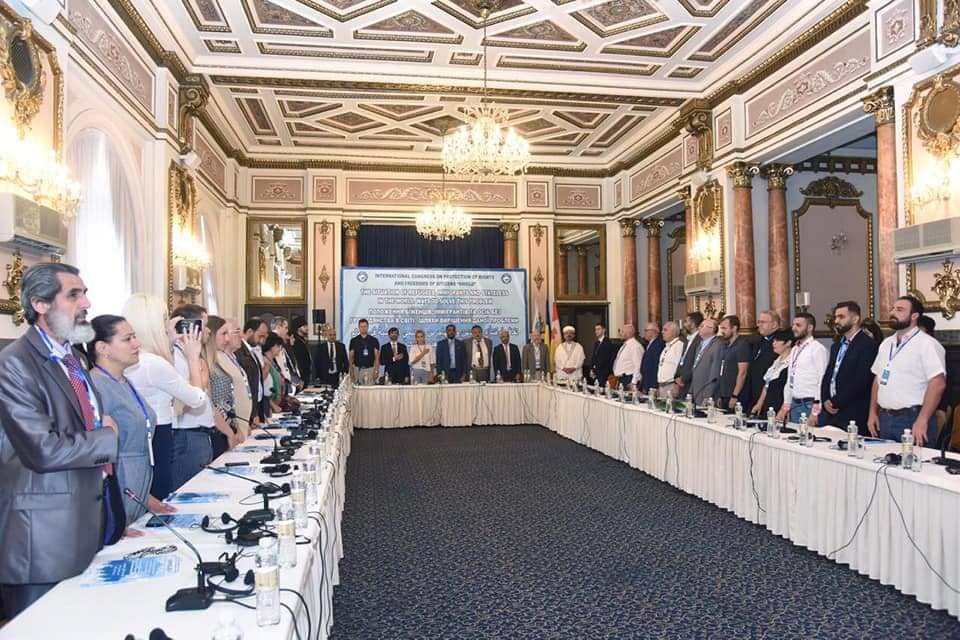
It also calls for supporting informal diplomacy, such as grassroots initiatives by civil society institutions and NGOs, which can create flexible and creative solutions. Such initiatives are considered effective tools to complement official diplomacy by bringing different parties closer and building a solid foundation for cooperation.

Recommendations

  • Enhancing Informal Diplomatic Initiatives: Cooperation between NGOs and think tanks to provide opportunities for unofficial dialogue and innovative solutions away from direct political pressures.

  • Diverse Cultural Communication: Paying attention to cultural diversity when establishing international partnerships and organizing cultural exchange programs to strengthen mutual understanding.

  • Developing Modern Negotiation Skills: Acquiring advanced skills using modern tools such as psychological analysis and a deeper understanding of local and international policies, through regular training programs.

  • Strengthening Diplomatic Presence in International Organizations: Actively participating in decision-making and contributing to shaping international policies.

  • Focusing on Sustainable Development Issues: Adopting diplomatic policies that support the achievement of sustainable development goals through economic partnerships and development projects.

In the face of growing global challenges, diplomacy remains the most effective tool for achieving peace and stability. The International Shield Organization sees cooperation between nations as essential to promoting diplomacy as a means of communication and building long-term strategic partnerships that contribute to global stability and conflict reduction.

International Shield Organization – Belgium
 

congress@icprfc-shield.org